

Can a Newborn Sleep in a Travel Cot?
For new moms and dads, among the most important considerations when bringing an infant into the world is producing a safe and comfortable sleeping environment. Whether you're planning a family trip or just trying to find a versatile and portable sleeping service for your youngster, you might be wondering: Can a newborn sleep in a travel cot? The short answer is yes, but with proper preventative measures to ensure their security and comfort. Here's what you need to understand.
What Is a Travel Cot?
A travel cot (also called a travel crib or portable crib) is a lightweight, collapsible bed developed for infants and young children. It's frequently used as a short-lived sleeping solution for trips, check outs to grandparents' houses, or as a second bed in another room. Most travel cots include a collapsible frame and a thin mattress or base for convenience and portability.
But is it ideal for a newborn?
Can Newborns Sleep Safely in a Travel Cot?
Yes, a newborn can oversleep a travel cot, provided it satisfies specific safety guidelines and is set up effectively. The key aspect is making sure that the travel cot supplies a safe and encouraging sleeping environment for your little one. Here's how you can make it work:
Look For Safety Standards
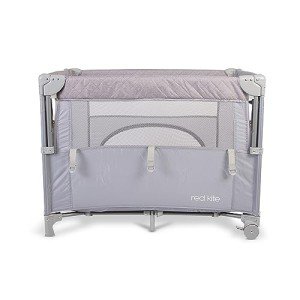
When picking a travel cot, ensure it abides by security policies, such as those laid out by ASTM International, the European Safety Standards (EN 716), or comparable requirements in your nation. The cot ought to have durable building, breathable mesh sides, and no gaps where your child could get caught.
Use the Original Mattress
Travel cots typically include a thin, firm mattress specifically developed for that design. This is intentional-- firm bed mattress lower the threat of Sudden Infant Death Syndrome (SIDS). Avoid including extra cushioning or soft bedding, as these can position suffocation threats.
Follow Safe Sleep Guidelines
The American Academy of Pediatrics (AAP) and other health companies advise that infants sleep on a company, flat surface without pillows, bumpers, or blankets. Constantly put your newborn on their back to oversleep the cot, simply as you would in a standard crib.
how you can help and Comfort
Travel cots are often made of breathable mesh, so your baby is less likely to get too hot. Still, ensure your newborn is dressed properly for the space temperature, as overheating is a risk factor for SIDS.
Pros of Using a Travel Cot for Newborns
Mobility
Travel cots are developed with convenience in mind. They're lightweight, simple to put together, and compact, making them ideal for households who travel often or move between spaces.
Adaptability
Numerous travel cots appropriate for newborns but are likewise large enough for your infant to turn into. This means your financial investment can last for months and even years.
Convenient for Small Spaces
If you're tight on space or do not have room for a full-size crib, a travel cot can be a practical option.
Cons of Using a Travel Cot for Newborns
Thin Mattresses
The thin mattress in a travel cot, while safe and company, may not seem as comfortable as a routine crib bed mattress. Nevertheless, remember that young infants don't require extreme cushioning, and a company surface is really safer for them.
Lower Height for Parents
A lot of travel cots are quite low to the ground, which can be challenging for moms and dads who need to lift their infant frequently throughout the night, specifically in the newborn phase.
Setup and Storage
While the majority of travel cots are easy to set up, the procedure can be troublesome for some designs, especially for sleep-deprived new parents.
Is a Travel Cot a Long-Term Solution?
Although a travel cot can be a safe and hassle-free alternative for your newborn, it might not necessarily replace a full-sized crib for long-lasting usage. Many travel cots are created for short-term sleeping plans and journeys. However, some top quality designs are constructed with newborn inserts or bassinets, which allow the cot to grow with your child and be utilized for prolonged periods.
Tips for Using a Travel Cot with a Newborn
Choose a Newborn-Friendly Model: Some travel cots include a raised bassinet attachment. This feature provides a greater sleeping level that's easier for parents while keeping the baby safe.
Assemble it Correctly: Double-check that the travel cot is firmly put together with no loose parts or gaps.
Present the Cot Early: If you're traveling, let your child nap in the travel cot at home initially. This can assist them get used to the new sleeping environment.
Keep It Close: Place the travel cot in your room for the first few months. Room-sharing (but not bed-sharing) is recommended to decrease the threat of SIDS.
Final Thoughts
A travel cot can absolutely be a safe and useful sleep option for a newborn, supplied it satisfies safety requirements and is set up properly. It offers versatility for parents on the go, while likewise serving as a practical alternative to standard cribs in smaller sized spaces. By following safe sleep practices and ensuring the cot is appropriate for your infant's requirements, you can rest guaranteed that your child is sleeping comfortably-- no matter where you are.
If you're considering a travel cot for your newborn, research study your alternatives carefully and, as constantly, consult your pediatrician for tailored guidance. Safe sleep is the foundation of sweet dreams, for both your infant and you!